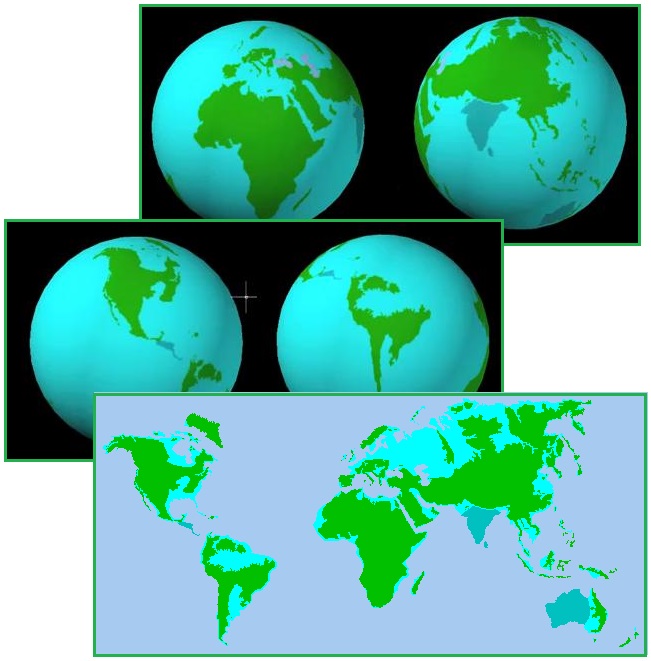
The Zetas have stated that after the Pole Shift, due to a
combination of the former Earth poles melting and deep ocean
water heated by the friction of the crustal shift, the sea level
worldwide will rise by 675 feet. Mankind knows that the seas
would rise 200 feet if the poles and the ice on Greenland
melted. The additional rise would be due to the heat from
friction. This will devastate many lands.
ZetaTalk Prediction
7/15/1995: After the cataclysms the existing polar
ice will melt, while at the same time reforming over the new
poles. The melting will occur faster than the reforming.
Where new poles take centuries to fully form, existing poles
thrust under an equatorial sun melt rapidly. The melting poles
will thus raise the sea level, worldwide, by 650 to 700 feet
within two years. Any water at the new poles will freeze, but
the buildup of ice on a pole is not altogether from the water
that happened to be there when the pole took position. The
buildup comes from precipitation, and this accumulates over
hundreds of years. At some point an equilibrium is
established, with icebergs breaking off and floating to warmer
waters and the like. The Earth, therefore, will experience
More Water in its oceans for some time after the cataclysms.
What to do when the water is rising and you have to keep
stepping up out of the puddles. Tides roll further inland and
the creeks swell. Rivers don’t drain and the basements start
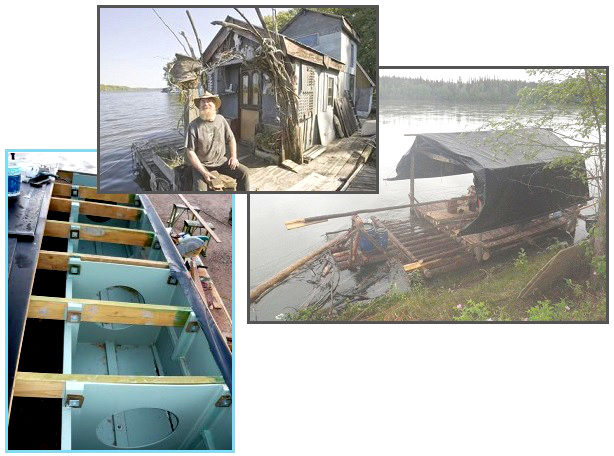
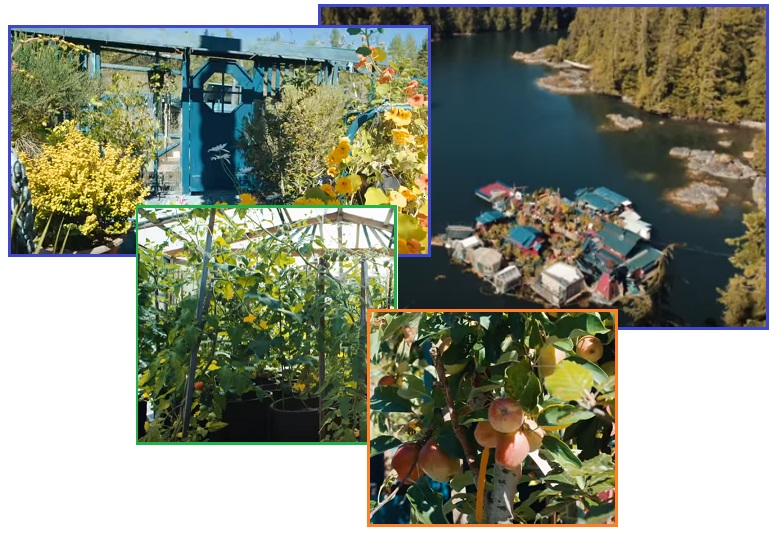
flooding. The solution? Build a houseboat. Grow key vegies like
tomatoes or kale in containers on the deck. Fish for protein and
if you don’t like the neighbors just pull up anchor and move on
down the changing coastline. Collect seaweed if it floats by and
hang some leftover morsel over the side to collect the crabs or
attract fish. The possibilities are endless.
ZetaTalk Advice
2001: Our suggestion is to plan for a floating
community, as fishing will be abundant in the Aftertime. Build
your boats now, in anticipation of this. You may be laughed
at, as a modern day Noah, but you will be master of your own
country so to speak, and able to travel where you wish.
It has been scientifically
verified that adding iron ore dust atop the ocean waters
will create a bounty in sea vegetation, kelp and seaweed and
algae. This incites growth in fish and sea creatures. The iron
comes from the charged red dust in the tail of Nibiru, and the
CO2 comes from all the burning on land and exploding volcanoes
that will occur during the Pole Shift. This process already
returned the Humpback
Whale from extinction via the Sargassum Seaweed explosion.
ZetaTalk Prediction
7/15/1995: Life in the oceans will not die out. The
water will have a green tinge. Little known among the
populace, but well known among scientists, is that the ocean
is one of the largest producers of the atmospheric oxygen.
After the cataclysms, the atmosphere oxygen will be rebuilt
from the oceans. The oceans will appear greenish to many, and
for good reason. All the fires will have placed a tremendous
amount of carbon dioxide into the air, the stuff of which
vegetative grown is made of. With little vegetation on land,
the ocean kelp will absorb and utilize this. The oceans will
be lush. Even those far inland should plan to take advantage
of the lushness of the oceans, the fish and kelp, to support
human survivors.
If your issue is not too much water but rather too little,
hydroponics is the answer. Crops are grown in beds which are
really shallow tanks or troughs that serve as a container for
gravel or coarse sand. If there are several of these beds, they
should be set up in a series at the same level and of a similar
size. These beds should be about 3 feet wide and any convenient
length, although 100 feet is common. The sides are about 8
inches high and with a V bottom so the center is 11 or 12 inches
deep at the center. Beds intended to survive massive earthquake
damage should be wooden frames lined with heavy vinyl sheeting.
Pipes or other fittings should be plastic for increased
flexibility and ease of repair after earthquake damage.
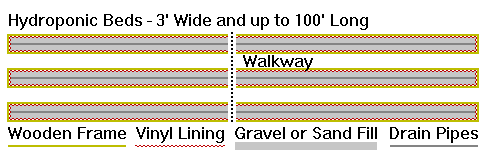
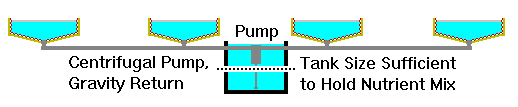
This permits an arrangement whereby a half-tile or similar
device through the center of the bed will feed or drain the
solution rapidly from one end of the bed to the other. It is
very important that the slope be precise, with no low areas from
which solution will not drain. Drainage in the beds is not only
pointed toward the V bottom of the bed, but also toward one end
of the bed, so that the V at the drain end is 2" lower than at
the high end of the bed. This is a slight slope in the bottom of
the trough.
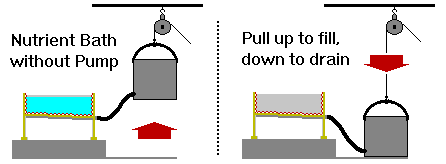
For those without a pump, a simple pail and flexible hose system
to give the hydroponic beds their daily nutrient bath works
well.
Gravel for the bed should be fairly uniform in texture, about
1/2 to 1/4 in diameter, and washed. If you use sand, it should
be coarse and it also should be washed. Beds should be filled to
within 1 inch of the top. The mix should be sterilized with heat
or steam to prevent mildew and fungus problems. Use the best
seed for seedlings, planted in disease-free soil or sand and six
inches or more high before transplanting. Loosen the planting
media around the roots so that there will be as little injury as
possible to the roots during transplanting. Rinse the planting
media off the roots with water before planting in the hydroponic
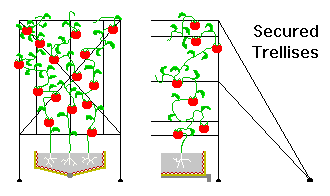
beds. Supporting structures may be necessary to hold up the
plants, as plants loaded with fruit, for example, are heavy. Do
not attach supports to the ends of beds because the weight of
the plants may warp the structure and cause leaks or draining
problems. All supporting wires are suspended from overhead
supports that are spaced at intervals alongside the troughs.
Cooling of the hydroponic area can be achieved by ventilation,
as transpiration of moisture off the leave cools the plants just
as perspiration cools the human body. Slats or windows that
allow the air to circulate should be included in the
arrangement. Plants produce oxygen during the day, under lighted
conditions, and carbon dioxide during the night. Hydroponic
areas attached to living areas thus can oxygenate and cleanse
the air of carbon dioxide, but should be closed off during the
night so that oxygen is not depleted from the sleeping areas.
Pollination can be done either by bees or by hand, by manually
shaking or tapping the flowers once a day, going flower to
flower so as to spread the pollen. Pollination helps increase
fruit yield, and for some produce makes the difference between a
high yield or no yield at all.
If distribution of food from grocery stores is the issue, you
will need to establish a garden and save seed. When the grocery
shelves are empty, and food distribution just not happening, you
will have to feed yourselves. You should not wait for this time,
but prepare! We are used to thinking of standard garden fare,
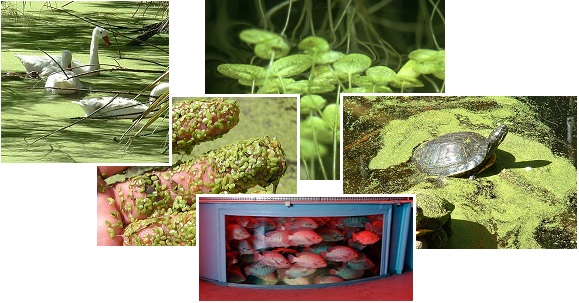
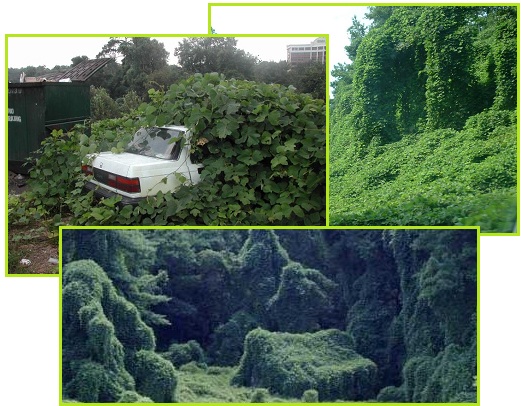
but need to think outside the box. Highly nutritious weeds are
right at hand, such as duckweed and kudzu. Everyday weeds such
as plantain and dandelion have vitamins and minerals, as well as
calories. The list is almost endless, and no need to tend the
garden.
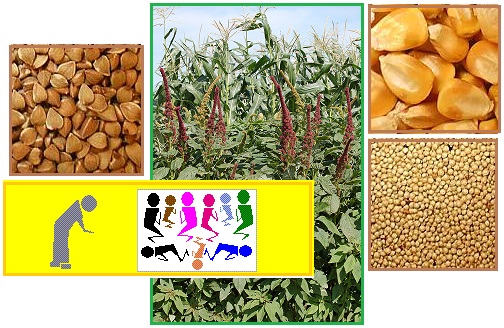
One of the best kept secret is meatless meals, possible if you
have lysine rich vegies in your diet. Amaranth and corn combined
provide the equivalent of red meat! These are grains that can be
stored and keep well, as do buckwheat and various legumes.
Why haven’t you heard about this on TV? It’s all about the
latest big burgers, making you think you could not survive
without them. Where is the amaranth and corn combo PR campaign?
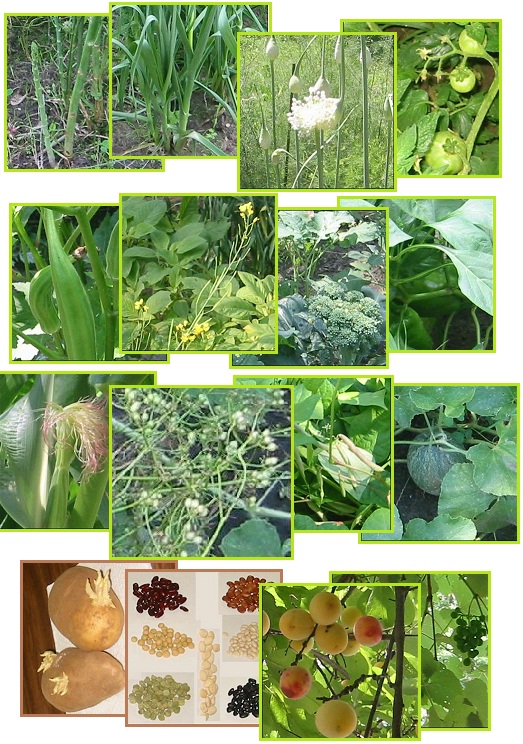
And don’t forget that saving seed is of prime importance. If you
don’t properly save seed, you will have a one-time garden. There
will be no running to the store for those little packets. Mother
Nature wants her seeds dry and cool, so most seed only needs
that preparation and protection. Many seeds will not spout
unless gathered from a ripe fruit, so those peppers and squash
and melons should be ripe before harvesting. Very ripe, almost
to the point of rotting. Tomatoes too, need to have white mold
eat away their slime, or the seed thinks it is still in the
tomato and simply won’t sprout!
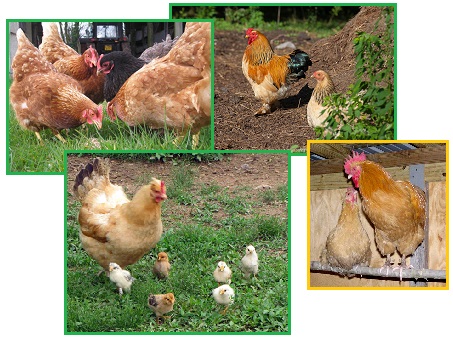
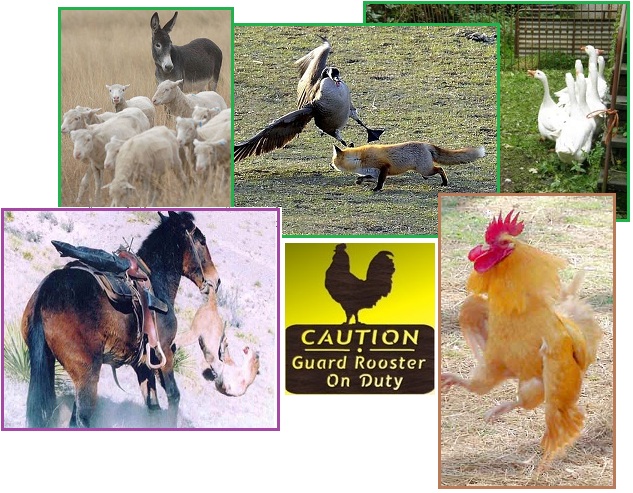
Keeping Chickens and Goats are a delight and a challenge, so get
started as soon as possible so you put your learning curve
behind you. And when your herd and flock get large enough,
invest in natural farm guards – geese and donkeys.
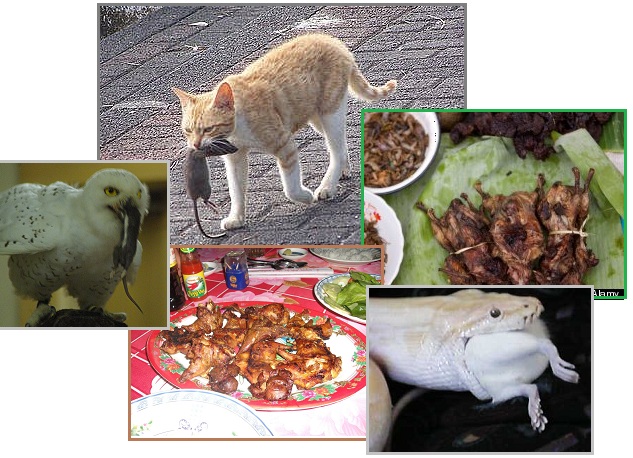
Looking for protein and tired of a vegetarian diet? Wildlife
such as deer and fish scarfed up and scarce? Be resourceful!
Rats and squirrels are certainly edible. Remember the movie the
Hunger Games? Bugs and earthworms are some of the best nutrition
the world has to offer, and are another greatly overlooked
resource. They can be farmed - nurtured and grown. Bugs
are high in fat and protein. Locusts can be roasted on a stick,
and earthworms are 82% protein.
Propagating annuals like lettuce or Corn or Beans is relatively
easy. Just set aside a portion of your crop for seed production,
letting it fully mature, and collect the dry seeds. But half our
food supply comes from biennials, like Cabbage and Onions and
Carrots, which insist on sleeping over during a dormant period
before going to seed. Some edibles only require establishing a
perennial patch, like Asparagus or Berries or planting an Apple
tree. Let’s start with the easy ones.
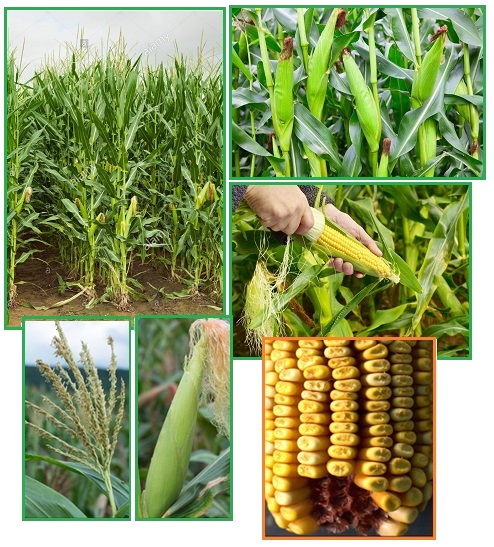
Corn kernels are perhaps the easiest to harvest. All one needs
to do is let a couple stalks of Corn live on past harvest time,
until the Corn dries fully. The dryer the better. Farmers check
their Corn fields for this, as they don’t want moldering Corn in
their silos nor do they want the expense of drying it indoors.
Corn is an easy plant to grow, fertilized by the wind which
blows the pollen from the tassels down across the silk of
neighboring Corn plants. Corn is known as a feeder crop, needing
a lot of fertilizer - manure or ashes from wood burning stoves,
and thus farmers alternate with Soy Bean crops which bind
nitrogen to the the easiest garden vegies to grow are Beans and
Legumes, and every culture has recipes for them. Delicious,
satisfying, and a bit of protein too. Once again make sure the
seeds you harvest are very dry. Allow the plant to literally die
from old age to ensure maturity. One technique to get every last
bit of nutrition to the seeds is to hang the plant upside down,
draining the nutrients to the seeds. Beans are a hot weather
plant, and if you plant when the soil is wet and cool the seed
may molder in the ground.
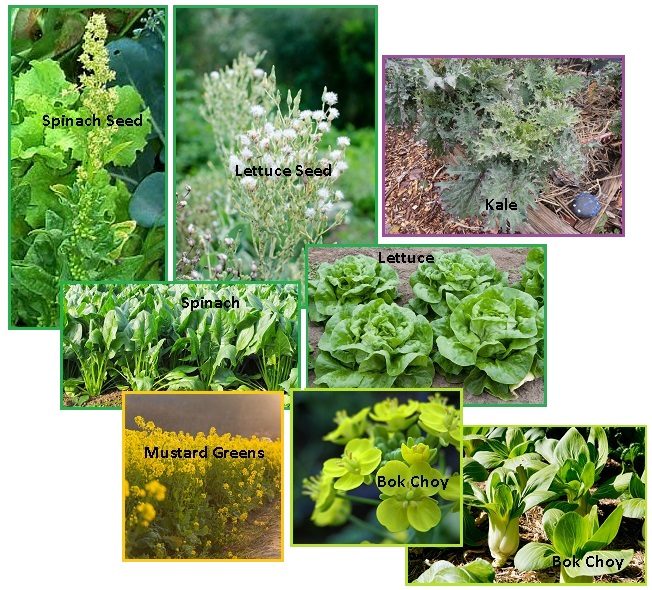
Salad greens or vegies to stir-fry or steam are also mostly
annuals, meaning they go to seed in their first year. This
category includes Lettuce, Spinach, Bok Choy, Mustard Greens and
Kale. Always collect seed from your best plants, passing along
their good genetics in this way. Lettuce is among those plants
that continually go to seed. One day you see a fluffy white
flower with immature seeds within, and a couple days later this
same flower has blown away in the wind. Harvest regularly.
Spinach is a bi-sexual plant, meaning one must have male and
female plants to produce fertile seeds. Harvest when the seed is
mature and dry.
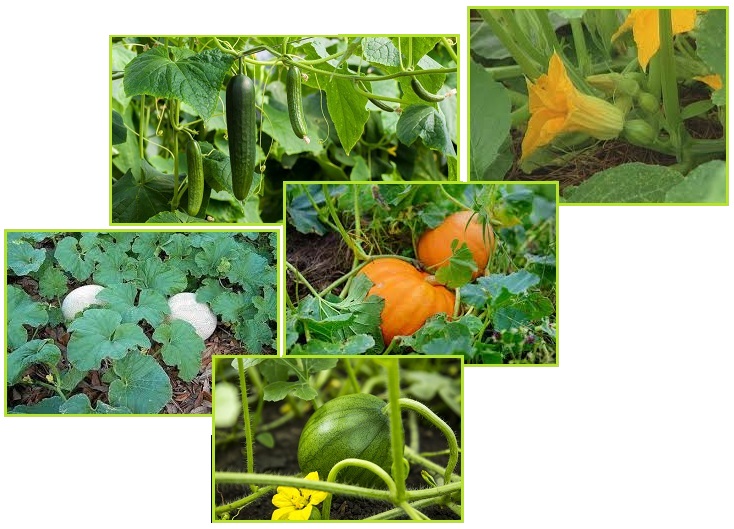
Melons, Squash, Cucumbers and Pumpkin are all fruits. Their
yellow flowers turn into the fruit after the flower has been
fertilized. In these days when bee colonies can be killed off,
allow all the other fertilizing insects to flourish. Ants, sweat
bees, anything that is crawling or buzzing around. They are your
friends. Winter Squash and Pumpkin are superior foods to store
in a cool cellar. They last for months and months. When
collecting seed from plants in this category, take from a very
ripe fruit, almost to the rotting point. Rinse the pulp from the
seeds, dry thoroughly, and store in a cool dry place.
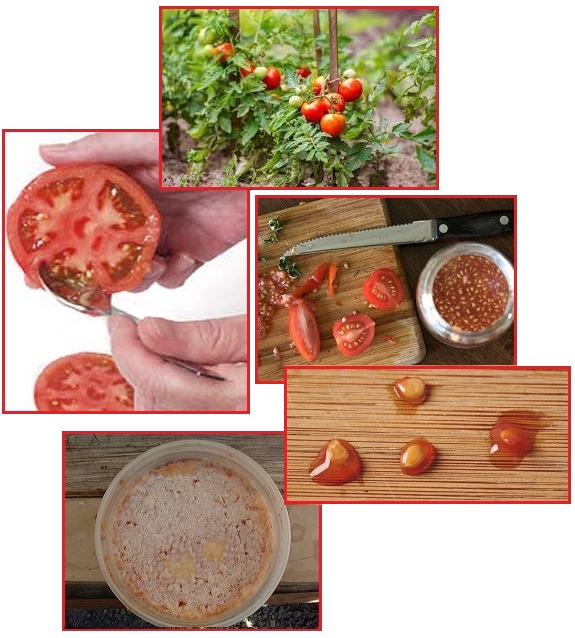
Tomatoes, and Tomato sauces, are so intrinsic to meals in so
many cultures they deserve their own spot on the seed saving
discussion, especially since effective seed saving requires an
odd practice. One must molder the seeds, to rid the seeds of the
slime that surrounds them inside the ripening Tomato. But can’t
you just rinse off the slime? Apparently, that will not work.
Even rinsed and dried, the Tomato seed still thinks it is in the
Tomato! So one must put the slimy seeds into a bowl with a
little water, and let sit until the bowl is covered with white
mold. The slime is eaten by mold. Then rinse, letting the
heavy mature seeds sink to the bottom of the bowl and the chaff
and mold flow off the top of the bowl. Then dry and store for
the next year.
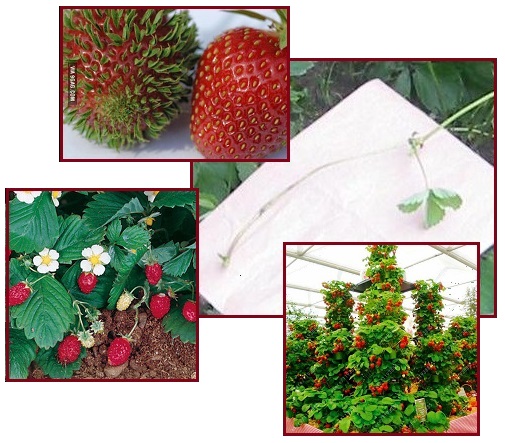
Strawberries also deserve a special mention, because Strawberry
plants never die and they never sleep! Seriously, they will grow
and produce berries 24 hours every day if given light. Thus
making them ideal for indoor gardens. They will also survive
harsh Winters, living on as a perennial. Strawberries also have
multiple ways of reproducing. They produce runners, with tiny
Strawberry plants at the end of each runner, seeking to put down
roots. Strawberries are covered on the outside by little seeds.
If in a warm humid environment, these seeds will sprout while
still on the Strawberry. One can take a slice off a store bought
Strawberry, lay that slice on some moist dirt, and voilà. Baby
Strawberry plants.
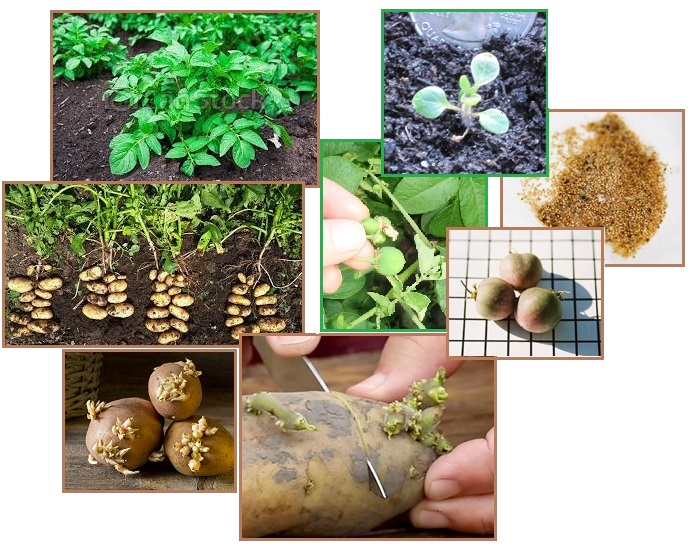
Potatoes also deserve a special mention, as what meal is
complete without Potatoes. Potatoes are usually grown from
cutting up old Potatoes that have been stored in the cool room,
so that each eye on a Potato has a portion of the Potato to give
it strength to grow. A bag of Potatoes in the kitchen will start
to sprout from the eyes. They don’t wait to be asked.
Potatoes can also be grown from the seed pods they produce. Dry
the pods well, and break them open to release the tiny seeds. Of
course this takes more time than planting Potato eyes.
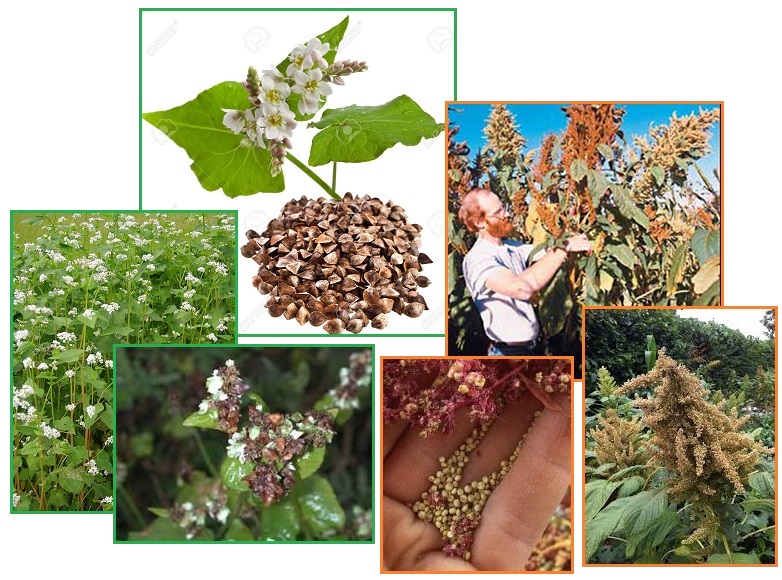
Lysine rich plants like Amaranth and Buckwheat also deserve a
special mention, as growing them allows you to replace meat
protein with plant protein. Amaranth and Corn mixed together
gives one the equivalent of red meat. Legume plants such as Peas
also are high in lysine. These plants are annuals, so one only
needs to collect the seed and plant the next year. Buckwheat
seed stays with the flower pod and is easy to collect. The
Amaranth plant is entirely edible, and the leaves are just as
nutritious as the seeds. The seed plumes shed ripe seeds
continuously, so most would be lost unless one goes down the row
regularly and shakes the plume into an apron or sack. The tiny
seeds are long lived. An ancient S American plant which is a
gift to mankind.
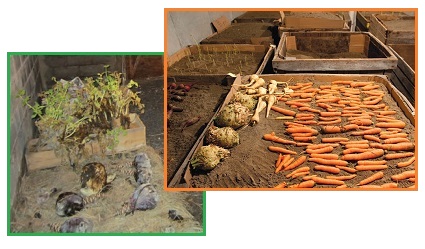
Almost half of the vegetables we eat are not annuals, they are
biennial seed producers, meaning they grow the first year, go
dormant over what is assumed to be a Winter, and then produce
seed the second year. The Cabbage family, Carrots, Beets, and
the Onion family including Leeks – all are biennials. This means
covering the plant with straw if in a temperate climate that
does not get a hard frost, or digging some seed stock plants up
and storing them in a root cellar. Seed production is prolific,
so many plants are not needed. The plants so stored need the
roots, with some soil or sand around them, but do not need much
vegetation above the roots.
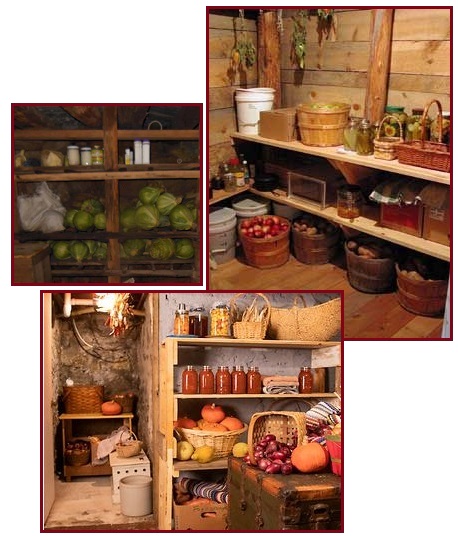
The term Root Cellar is old fashioned, from the days when seed
collection was a family business, or a family farm business.
Everyone did it. The Amish today rely heavily on Cabbage as a
staple. But using the basement or a cool room to store a harvest
over the Winter is likewise an old fashioned concept. The modern
shopper goes to the grocery store to buy Squash, Pumpkin,
Apples, Potatoes, and Cabbage. The Grocer ships these in from
warehouses that store these items at cool temperatures. So if
you have a Cool Room in your basement, then that can be used as
a Root Cellar too.
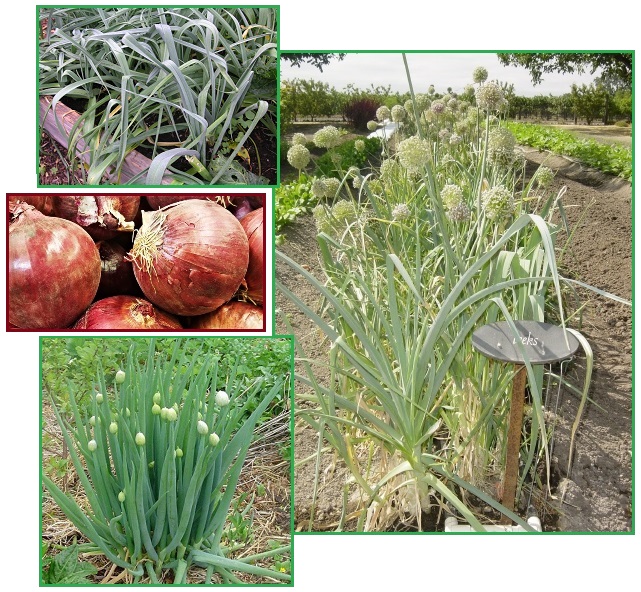
Onions are a biennial, so must winter over for seed. Each Onion
will produce beautiful white flower balls that become seed pods.
Just let dry and then shuck the little black seeds out. Leeks
likewise. Only the Gypsy Onion plant can winter over and
attempts to propagate by runners. Garlic has been domesticated
so long that its seed is often no longer viable. But Garlic can
produce black seeds from its flowers. An alternate means of
propagating is reproduction from cloves. Plant a clove in the
spring, and by late Fall that glove will have become a Garlic
bunch.
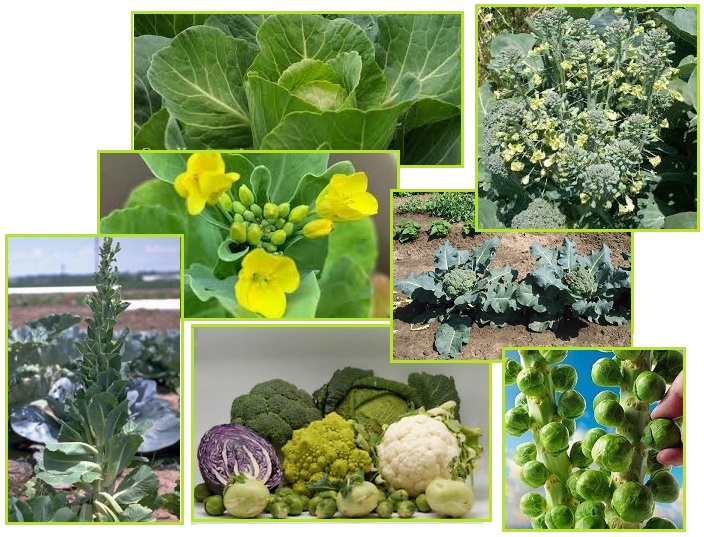
All Cabbage is biennial except for Bok Choy, the Chinese Cabbage
that is an annual. Green Cabbage, Brussels Sprouts, Broccoli,
Cauliflower – all must Winter over. Bring a few healthy plants
indoors, with roots attached, and cut back or prune the tops.
Keep roots covered in a cool dark place until spring. Transplant
outside in the Spring and up will come the seed stalks with
little yellow flowers. Harvest the pods when dry, putting inside
a cloth bag to dry. Do not allow the dry pods to shatter and
spill the seed.
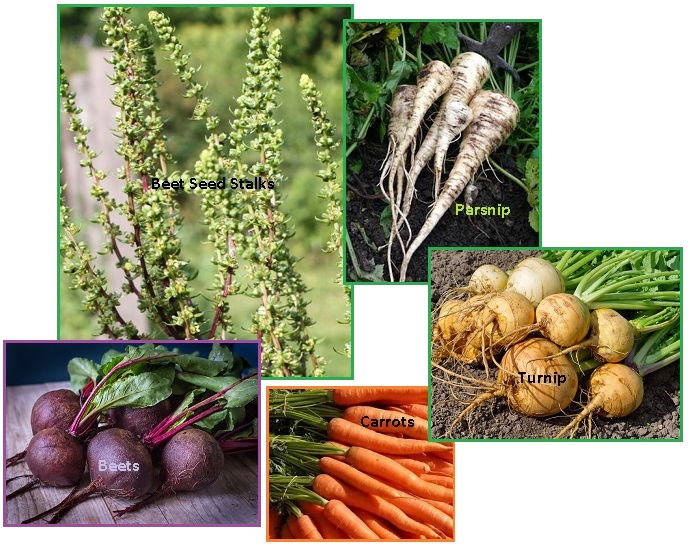
Carrots, Turnip, Beets, and Parsnip are root plants that are
also biennials. Beets are particularly nutritious and are
prolific seed producers. Radish also needs to Winter over. When
transplanting in the Spring, make sure the entire root is
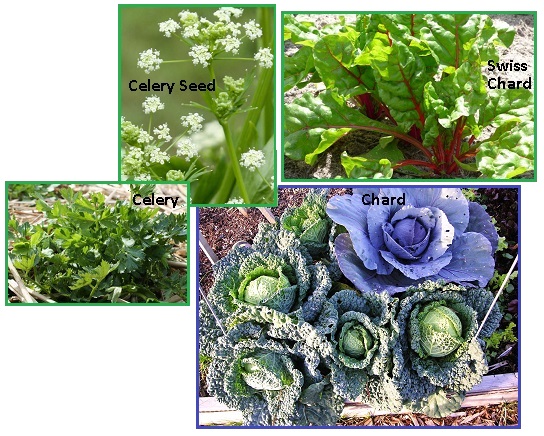
covered. Other popular vegies that are biennial are the Chards
and Celery.
What have we not covered? Oh yes, the perennials. Plants that do
not die after a year, like the annuals, or die after their
second year when they go to seed, are called perennials. The
Rhubarb patch, famous for Rhubarb pie, and the Asparagus patch.
Horseradish, Ginger Root, and Artichoke are all perennial once
established. These plants do produce seed, but a gardener
normally establishes a patch by getting a chunk of the plant,
with well-established roots, from a vendor or neighbor.
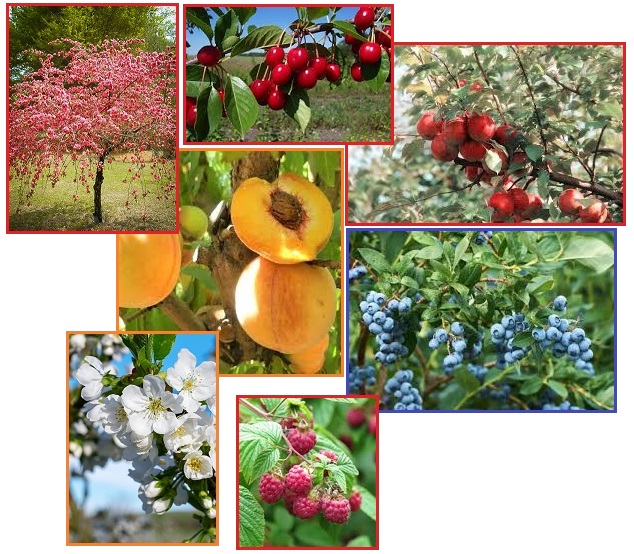
Berry bushes, like Raspberry, Blueberry, or Blackberry are also
perennials. They lob over branches that are called vines that
will produce new plants where they touch the ground, thus the
infamous berry thicket. Aggressive pruning of deadwood is
required to prevent a thicket from forming. Fruit trees like
Apple, Peach, Cherry and Plumb can be established from seed,
salvaged from the fruit sold at the grocer, or by buying young
trees from a vendor. They are covered in flowers in the Spring,
and each flower becomes a fruit. Nut trees likewise can be
established in this manner.
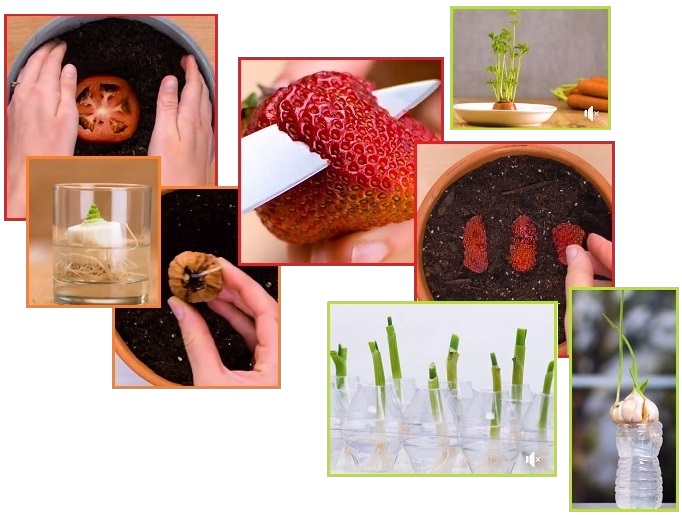
Cloning goes by many names, such as cuttings. To reproduce a
Grape vine, cut a stem and put the bottom part in water. Rooting
solution helps to encourage this process, but technically not
needed. Roots form on the bottom and then the cutting is
planted. One can start a Strawberry patch from a slice of a
Strawberry. Or get seed from some Green Onions placed in water.
Or root a Garlic clove or a piece of Potato. Then from this
living plant, seed production can start.